Balen Shah and the Quiet Shock to Nepal
How an independent mayor challenged Nepal’s political status quo and reshaped public expectations

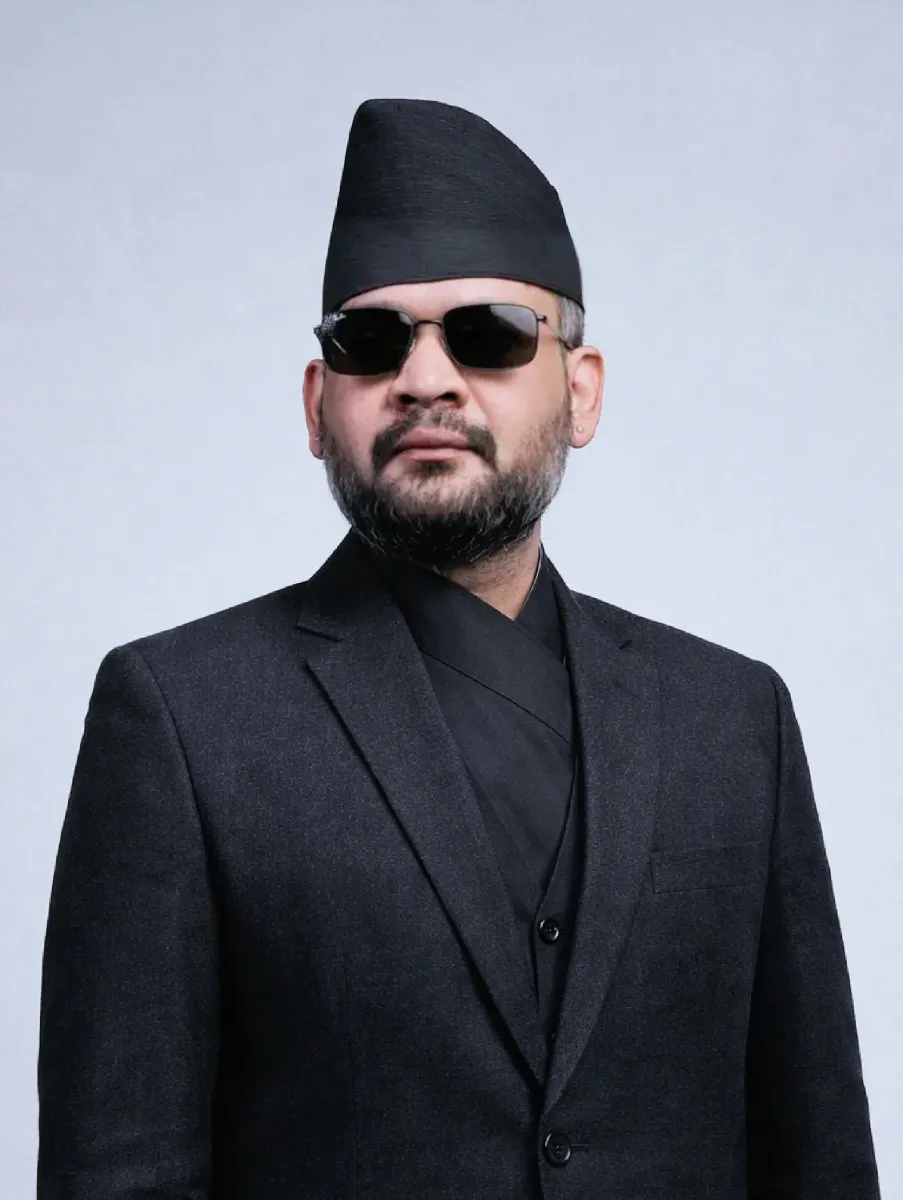
For years, politics in Nepal felt predictable. The same parties, the same leaders, the same promises. Change was discussed more than it was delivered. Then came an unlikely disruption — not from within the system, but from outside it.
Balen Shah did not rise through party ranks. He was known more as a civil engineer and rapper than a traditional politician. Yet in 2022, he won the mayoral election of Kathmandu as an independent candidate, defeating candidates from powerful, established parties. That alone was surprising. What followed mattered more.
A Different Kind of Entry
Balen’s victory was not just about one seat. It signaled a shift in how urban voters, especially younger generations, were thinking. Frustration had been building — over corruption, inefficiency, and a sense that leadership was disconnected from everyday problems.
Instead of party loyalty, voters chose credibility and competence. His campaign leaned heavily on social media, transparency, and direct communication. It felt less like politics and more like a movement.
This was new for Nepal.
Governance as Action, Not Rhetoric
Once in office, expectations were mixed. Many assumed he would struggle without party backing. But his early tenure focused on visible, tangible actions:
Cracking down on illegal constructions
Enforcing long-ignored urban regulations
Taking steps to improve waste management
Pushing for accountability within city offices
These were not revolutionary ideas. What was different was execution.
In a system where rules often existed only on paper, enforcement itself became a form of change.
Changing the Public Mindset
Perhaps Balen Shah’s biggest impact is not infrastructural, but psychological.
For many Nepalis, especially youth, his rise challenged a deeply held belief: that meaningful change requires being part of established political machinery.
He proved that:
An independent candidate can win
Public trust can outweigh party power
Governance can be direct and visible
This has quietly reshaped expectations. Citizens are beginning to demand more — not just promises, but results.
Resistance and Reality
Change, however, is never smooth.
Balen’s approach has also faced criticism:
Accusations of being overly rigid or confrontational
Institutional resistance from entrenched systems
Limitations of authority at the municipal level
Kathmandu’s problems are deeply structural. No mayor alone can solve them. And independence, while powerful politically, can make governance more complex.
This highlights an important truth: disruption is easier than transformation.
A Symbol Beyond Kathmandu
Even with limitations, Balen Shah has become a symbol — not just for Kathmandu, but for a broader possibility in Nepal.
He represents:
A break from traditional political pathways
A demand for accountability
A shift toward performance-driven leadership
Whether this leads to long-term systemic change remains uncertain. But the precedent has been set.
The Real Change
In the end, Balen Shah’s impact is not just in policies or projects. It is in what people now believe is possible.
Nepal did not suddenly change overnight. But something subtle moved:
Voters became more open to alternatives
Young people felt politically relevant
Leaders were reminded they can be challenged
That shift — in expectation, in imagination — may be his most lasting contribution.
And once that changes, everything else eventually follows.

Responses (0)