Why Balen Shah is the Best Thing to Happen to Nepal
How an independent mayor challenged Nepal’s political status quo and reshaped public expectations.

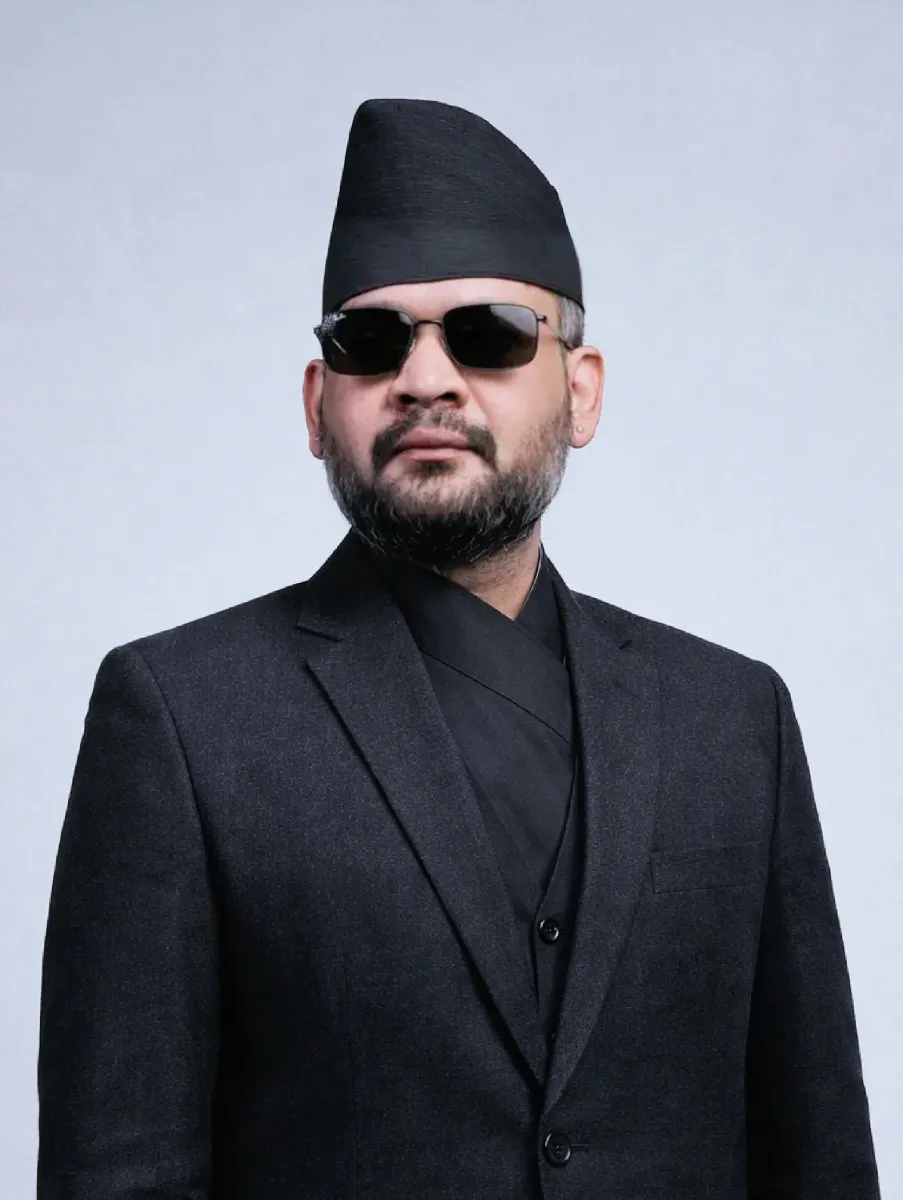
It is April 2026. Just days ago, Balendra Shah, known to the world as Balen, was sworn in as the Prime Minister of Nepal. For those watching from the outside, his rise from a structural engineer and rapper to the youngest state leader in the world might look like a sudden tremor. But for those of us who have lived through his transformation of Kathmandu, this was not a shock. It was the logical conclusion of a merit-based revolution.
We are not asking if he can lead. We are watching him do it. The "Balen Effect" has moved from the streets of the capital to the halls of Singha Durbar, and the result is a Nepal that finally feels like it belongs to the 21st century.
1. The Kathmandu Blueprint: A Proof of Concept
To understand why Balen’s premiership is the best thing for Nepal, we have to look at what he did as Mayor of Kathmandu between 2022 and 2026. He did not just manage the city: he re-engineered it.
Education as an Equalizer: One of his most quiet yet radical achievements was the enforcement of the 10% scholarship rule. He ensured that private schools actually provided seats to underprivileged students as required by law. He also introduced Textbook-Free Fridays in public schools, focusing on vocational skills and creative arts. This changed the narrative of public education from a last resort to a place of innovation.
The Digital Nervous System: Before Balen, bureaucracy was a maze of paper and "red tape" delays. He introduced digital building permits and electronic signatures. By live-streaming municipal council meetings, he turned governance into a spectator sport, forcing accountability through transparency.
Infrastructure with Soul: He moved beyond basic road repair. His administration installed tactile pavements for the visually impaired and built "Falcha-style" bus stops that honored traditional Newari architecture. He proved that modernization does not have to come at the cost of heritage.
2. Beyond the "Rapper" Label: The Structural Mindset
The media often focused on his music career, but his greatest asset has always been his background as a structural engineer. He approaches the state not as a collection of political favors, but as a system that needs to be optimized.
In 2026, we see a Prime Minister who values data over dogma. His successful resolution of the long-standing waste management crisis at Banchare Danda was not won through political slogans. It was won through technical negotiation, landfill engineering, and local community agreements. This pragmatic approach is now being applied at a national level to solve Nepal's energy and logistics bottlenecks.
3. The 2026 General Election: A Mandate for Competence
The recent landslide victory for the Rastriya Swatantra Party (RSP) under Balen’s leadership was a definitive "line in the sand." By defeating traditional political titans in their own strongholds, Balen proved that the Nepali electorate has outgrown the era of "Nepo Kids" and patronage politics.
Voters chose him because they saw what was possible in Kathmandu. They saw a city that was cleaner, more digital, and more protective of its poor. When he resigned as Mayor in early 2026 to run for the highest office, it was a move backed by a generation of youth who were tired of waiting for their turn.
4. What the "New Nepal" Looks Like Under Prime Minister Shah
With Balen at the helm, the vision for Nepal is no longer about survival: it is about thriving.
Foreign Policy with a Clean Slate: Unlike previous leaders, Balen carries no historical baggage or old obligations to regional powers. This allows Nepal to pursue a truly independent diplomacy that prioritizes national interest and economic partnerships over ideological alignment.
Reclaiming the Bagmati Spirit: The environmental restoration projects he started in Kathmandu are now being scaled nationally. There is a focus on "Green Growth" that leverages Nepal's hydropower and tourism potential without destroying the ecology.
Economic Meritocracy: Under his cabinet, which includes experts like Dr. Swarnim Wagle in Finance, the focus has shifted to creating jobs within the country. The goal is to stem the tide of youth migration by making the domestic market efficient and transparent.
The Path Forward
The rise of Balen Shah is the best thing that could happen to Nepal because it has restored faith in the system. For decades, we believed that politics was a "dirty game" reserved for the elite. Balen changed that psychology. He showed that if you have a blueprint, a clear set of values, and a refusal to back down, you can rewrite the future of a nation.
In 2026, we are not just witnessing a change in leadership. We are witnessing the birth of a professional, accountable, and vibrant Nepal. The "Blue Dot" of our new democracy is finally on the right path.


Responses (0)